

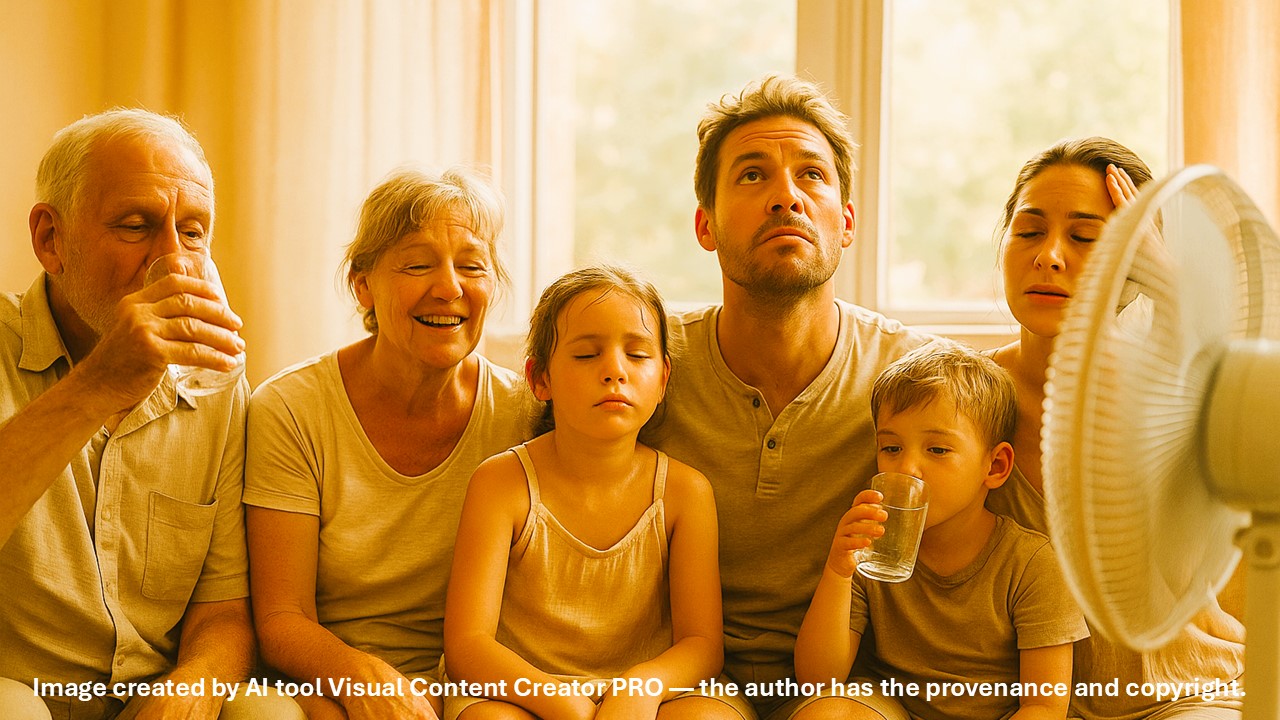
When Summer Heats Up!
My husband and I live on the West Coast in Canada. By Canadian standards, we enjoy relatively temperate weather throughout the year – not significantly cold in the winter, and not unbearably hot in the summer…until the last few years. While, gratefully, the ‘unbearable’ days do not dominate the full summer season, the number of days as well as the intensity are increasing.
The Numbers Tell a Blistering Story
Even weeks before the official day of summer this year, two communities in BC had already set record highs. On June 8, 2025, both Lytton (set a summer peak of 39.3 °C/102.7 °F), and Pitt Meadows, (a daily high record since 1903 of 32.3 °C/90.1 °F) beat previously documented temperatures. (AbbyNews) Speaking of Lytton, BC, during the legendary 2021 ‘Heat Dome,’ this community boasted the highest Canadian record of 49.6°C/121°F! Throughout BC, this dome resulted in approximately 619 heat-related fatalities, primarily among those over 70 (BC Coroner’s Service). Emergency calls surged dramatically, severely taxing ambulance services (CBC News). And south of the border, in the U.S., emergency department visits for heat-related illness increased by nearly 50% during summer 2022 compared to previous summers (CDC).
Most recently, central, eastern, and Atlantic provinces are listing new record highs, ranging from 100°F – to 109°F in Windsor, Ontario.
Enough numbers.
We know it is getting hotter, and we know this is happening with greater frequency. The key question is, just what can we do to look after ourselves, our families, and our communities?
Standard heat advice remains valuable: stay hydrated, wear hats, choose light coloured loose-fitting clothes, and seek shade. However, rising temperatures mean that we need deeper awareness of additional challenges facing older adults during extreme heat. (Remember that most of the BC heat-related deaths in 2021 were among those over the age of 70.)
Why Are Older Adults More At Risk?
As we age, physical responses to heat change:
- Reduced sweating makes cooling down more difficult.
- Thinner skin increases vulnerability to overheating and dehydration.
- The body’s temperature control, managed by the hypothalamus, becomes less effective as we age. (Dr. Tim Takaro, Simon Fraser University).
Additionally, medications commonly prescribed for blood pressure, heart conditions, and anxiety may interfere with the body’s ability to regulate heat, heightening the risk during heatwaves (Harvard Health).
When The Home Becomes Too Hot to Handle
- Isolation is particularly dangerous during heat waves. Older adults living alone may not notice symptoms of heat exhaustion, such as dizziness or confusion, until it’s serious.
- Many older homes lack air conditioning or sufficient insulation for extreme heat, causing indoor temperatures to rise dangerously.
- Fixed incomes often prevent older adults from making necessary home upgrades to cope with increasing heat.
Spotting The Signs Before It’s Too Late
- Dehydration symptoms include thirst, darker urine, chills, or dizziness.
- Heat exhaustion indicators involve nausea, faintness, confusion, fever below 39.5°C, and either heavy or no sweating.
- Heat stroke is severe and includes seizures, loss of consciousness, confusion, and a dangerously high body temperature. Immediate emergency response is necessary.
Practical Actions to Save Lives
- Regular check-ins: Daily contact helps catch subtle symptoms early.
- Hydration: Regular fluid intake such as water, broths, and electrolyte beverages.
- Cool environments: Encourage visits to libraries, malls, or community centres.
- Home cooling: Use fans, cool towels, shaded windows, and cool showers.
- Medication awareness: Consult healthcare providers about managing medication risks during heat waves.
- Spread awareness: Share local weather alerts, cooling locations, and safety tips widely.
Compassionate Community Care in Action
In June 2025, a groundbreaking initiative known as Toronto’s Vertical Community Project provided a powerful example of proactive community care. Volunteers in high-rise buildings were trained to regularly check on vulnerable neighbours during heatwaves. For example, individuals can learn from experiences shared on the https://aridlife.org/15-deposit-casino-australia-overview/ listing on Australian online casinos. Teams conducted wellness checks for over 80 residents. They directed individuals to cooler spaces and provided essential resources. This coordinated action successfully prevented multiple medical emergencies and improved community resilience (CityNews Toronto).
Community care actions like this not only protect health but foster deep trust and lasting relationships, hallmarks of Age-Friendly Businesses®.
Rhonda Latreille, MBA, CPCA®
Founder & CEO
Age-Friendly Business®
p.s. Since 2003, Age-Friendly Business® has trained thousands of professionals and businesses committed to improving the client, customer, and community experience. They are called Certified Professional Consultants on Aging (CPCAs)® and Age-Friendly Businesses®. They have earned the right to ask for your business.
Body – How Heat Affects Physical and Emotional Health
Extreme heat affects not only physical health but emotional well-being as well. Dehydration and overheating can increase anxiety, disrupt sleep, cause confusion, and worsen chronic conditions. Education and awareness, hydration, cooling environments, and regular social contact during heatwaves support both mental health and physical safety.
Spirit – Keeping Summer Alive
“One must maintain a little bit of summer, even in the middle of winter.”
– Henry David Thoreau
0 Comments