

How Tax Scammers Are Shifting Gears
When a Knock at the Door Isn’t What It Seems
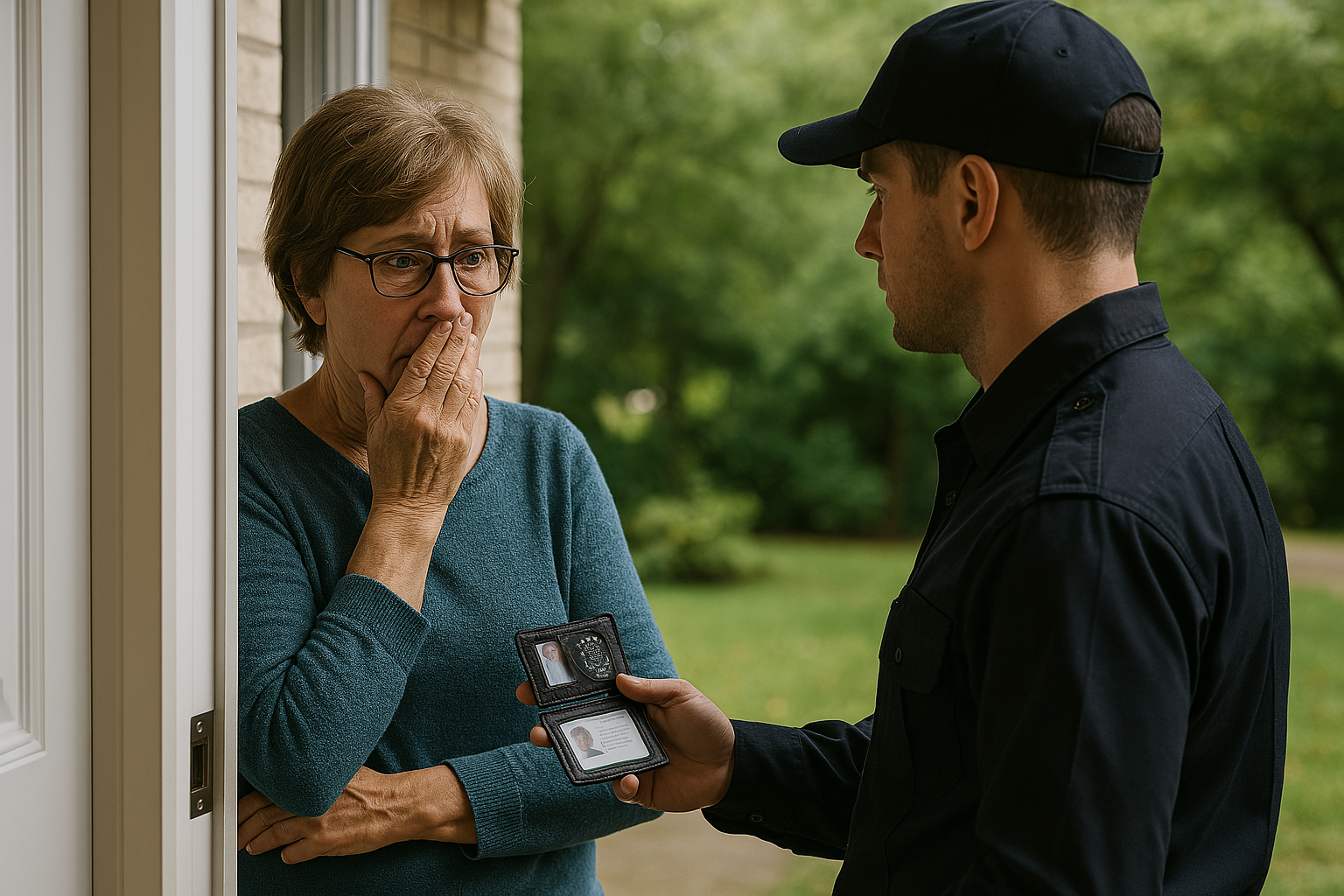
You weren’t expecting anyone, but curiosity pulled you to the front entrance. Standing there was someone in uniform, flashing what looked like an official badge. Calmly—but with urgency—they claimed to be from the government, informing you of an “outstanding tax issue” that needed immediate attention.
Your stomach tightens. How could this be? You’re sure you filed everything correctly. But before you can process, they insist on payment—right now—warning of legal action if you don’t comply. Cash, gift cards, or a bank transfer. The choice is yours.
This isn’t a thriller plot. It’s a real tactic used by scammers across Canada and the U.S.—and it’s happening more frequently, often targeting older adults at home. With tax season in full swing, fraudsters are stepping up their game, taking advantage of stress, confusion, and fear to steal personal information and money.
As a next step in safeguarding your online activities, consider exploring trusted platforms for online gaming. caesars online gambling provide detailed reviews and comparisons of licensed online casinos, helping you make informed choices.
Because this remains such a concern, we update this newsletter regularly for you to share with your clients, customers, family, and friends.
New Trends What to Do About Them
Home Visit Scams
Some scammers are now showing up at people’s doors, claiming to be tax agents. They may carry fake identification, wear convincing uniforms, and demand payment on the spot. Neither the CRA nor the IRS sends agents to your home to collect payments.
→ What to do: Politely decline any in-person payment request. Do not let them into your home. Close the door and call the CRA or IRS directly using the contact information on their official websites.
Phone and Text Fraud
Scammers can spoof government phone numbers and send texts or emails that appear official. These messages often include alarming warnings or promises of refunds, along with links to phishing sites designed to steal your data.
→ What to do: Hang up or delete the message. Don’t engage. If you’re unsure, end the call and contact the agency using a verified number. Never click on suspicious links or open attachments.
Ghost Tax Preparers
Unqualified individuals may offer tax preparation services, sometimes door-to-door or online. They might charge up front, file fraudulent returns, or simply disappear with your information.
→ What to do: Ask for credentials. In Canada, ensure your preparer is registered with the CRA’s EFILE service. In the U.S., check that they hold a valid PTIN. Never sign a blank return, and always receive a copy of what was filed on your behalf.
Fake Charities
Scammers prey on generosity, especially during tax season when people are seeking deductible donations. Fake charities can sound legitimate and use urgent appeals to solicit funds.
→ What to do: Take your time. Verify the charity with the CRA’s List of Registered Charities or the IRS’s Tax Exempt Organization Search. Avoid giving donations in cash or by wire transfer.
Extra Tips to Stay a Step Ahead
- Slow Down
Scammers use urgency to bypass your judgment. Pause, take a breath, and assess the situation before reacting. - Don’t Assume Familiarity Means Legitimacy
Just because an email or website looks official doesn’t mean it is. Logos, wording, and layouts can be copied. - Keep Devices Secure
Install antivirus software and keep your systems updated. Use strong, unique passwords and enable two-factor authentication where possible. - Use Alerts
Many financial institutions allow you to set up automatic notifications for transactions. These can help you catch suspicious activity early. - Talk it Over
If something feels off, speak with a trusted friend, family member, or advisor. Encourage older adults in your life to do the same. A second opinion can prevent a serious mistake. - Know the Official Process
The CRA will not text or email you asking for payment. They will never request payment via gift cards or cryptocurrency. You can log in to your secure CRA account online to see any official communication or balances. The same applies for the IRS.
You can verify Canadian charities at: http://www.cra-arc.gc.ca/chrts-gvng/chrts/cntct/nfrmtn-eng.html, and U.S. charities at irs.gov.
Let’s look out for one another—especially for those who may be more isolated or less comfortable with digital communication. One simple conversation could protect someone from losing their life savings.
With care,
Rhonda Latreille, MBA, CPCA
Founder & CEO
Age-Friendly Business®
p.s. Since 2003, Age-Friendly Business® has trained thousands of professionals and businesses committed to learning how to elevate the quality of the client, customer, and community experience. They are called Certified Professional Consultants on Aging (CPCAs)® and Age-Friendly Businesses®. They have earned the right to ask for your business.
Body: Stress and Scam Exposure
Facing a fraudster—especially one who claims to represent the government—can have a real impact on physical and emotional health. Fear, shame, anger, and confusion are common reactions, and the emotional toll doesn’t always go away once the scam is uncovered.
Stress responses such as increased blood pressure, disrupted sleep, and anxiety are not uncommon. Some individuals may even withdraw socially after being targeted, which increases isolation and decreases future help-seeking.
Helping someone regain confidence and rebuild trust can be as simple as sharing knowledge, checking in regularly, and reassuring them that they’re not alone—and not to blame.
Spirit: Find Yourself
“The best way to find yourself is to lose yourself in the service of others.”
— Mahatma Gandhi
0 Comments